The Silent Witness in the Garage: Your Car Has Been Keeping Notes
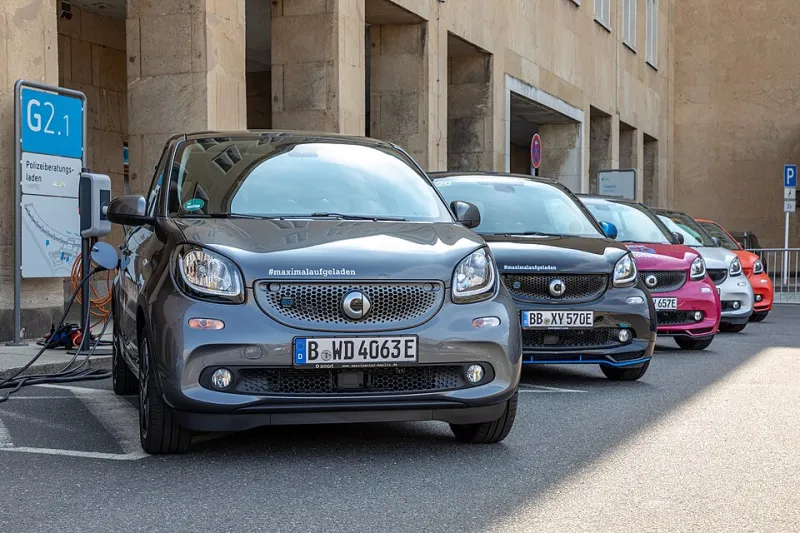
Photo: Yuri Samoylov, CC BY-SA 4.0, via Wikimedia Commons
Most Americans think of their car as a private space — the modern equivalent of a study with wheels, where conversations happen and thoughts are spoken aloud. That assumption is increasingly out of date. A late-model vehicle sold in the United States is, in practical terms, a computer on wheels with a cellular modem, and it generates a continuous stream of information about the person behind the wheel.
The question is no longer whether your car collects data. It's who is reading it.
The Scope of the Record
Telematics systems in contemporary vehicles can capture an unusually intimate portrait of daily life. Location history is the headline item: where the car starts each morning, where it parks overnight, how often it visits a medical clinic, a place of worship, or a lender. But location is only the beginning.
Vehicles also record driving behavior — acceleration patterns, hard braking events, cornering speed, seatbelt use, and mileage. Some systems log detailed diagnostic information, and a growing number include cabin microphones and interior cameras marketed as convenience features: voice assistants, driver-monitoring systems, hands-free calling.
The granular detail matters. Insurance-style telemetry doesn't just note that you drove; it can distinguish a smooth commute from an erratic one. A pattern of late-night trips to a hospital might reveal a family health situation. Regular visits to a particular address can map a relationship the driver never disclosed to anyone.
The Brokerage Layer
What happens to that information is where the story turns uncomfortable. Automakers have disclosed partnerships with analytics firms that convert driving behavior into scores — and, in several cases documented by state regulators and journalists, those scores found their way to insurance companies without the driver's meaningful knowledge.
The mechanism usually works like this: a driver enrolls in an app or a perk, the enrollment text includes a broad consent clause, and the vehicle's data begins flowing to third parties. From there it can pass through data brokers who aggregate and resell it. The driver sees none of the intermediate transactions.
This isn't hypothetical. In 2023 and 2024, reporting and regulatory inquiries revealed that two major automakers had transmitted driving-behavior data to analytics firms whose scores were used by insurers, in some instances leading to premium increases or policy non-renewals. The backlash prompted policy changes and refunds, but the underlying architecture remains in place across the industry.
Regulators Start Asking Questions
Washington has taken notice. The Federal Trade Commission has opened scrutiny of automotive data practices, including a 2024 enforcement action against a vehicle-analytics company accused of selling drivers' behavioral data without adequate consent. The FTC's general warning to the industry was blunt: collecting data through fine print that consumers never meaningfully read is not a business model regulators will tolerate indefinitely.
States are moving too. California's privacy regime treats connected-vehicle data like other personal information, granting residents rights to know, delete, and opt out. Texas and other state attorneys general have examined location-data sales more broadly. But the patchwork means protection varies dramatically depending on your ZIP code — a poor fit for a product sold nationally.
What Drivers Actually Agreed To
Buried in purchase contracts, infotainment terms of service, and companion-app agreements sits the legal foundation for all of this. These documents routinely authorize the collection of location, vehicle diagnostics, and in-vehicle activity, and permit sharing with "service providers" and "partners" — categories broad enough to cover most of the brokerage economy.
A few practical steps are available to nearly every American driver:
- Read the privacy settings in your vehicle's companion app. Most manufacturers now include data-sharing toggles, though they are often set to permissive defaults.
- Exercise state privacy rights where they exist. Residents of California, Virginia, Colorado, and a dozen other states can request what data a manufacturer holds and demand deletion.
- Be cautious with usage-based insurance apps. Voluntarily installing a driving-monitoring app is a direct data pipeline; read what it shares before enrolling.
- Check the manufacturer's privacy policy for retention and sale language. Some automakers now publish commitments against selling driving data — a response to the backlash, and a useful comparison point between brands.
- Assume the cabin is not private. Voice-assisted features process audio; treat sensitive conversations accordingly or disable the assistant.
The Road Ahead
The automotive industry is not unique in this — the pattern of collecting first, disclosing vaguely, and facing regulation later has played out in phones, TVs, and doorbells. But cars occupy a special place in American life, and the data they generate is uniquely revealing. A vehicle doesn't just know your location; it knows your habits, your reflexes, and your destinations.
The encouraging news is that pressure works. Refund programs, revised consent flows, and public commitments followed the recent controversies. The less encouraging news is that consent architecture, not collection capability, is what changed. The sensors are still running.
For now, the most reliable privacy tool available to American drivers remains the one regulators are trying to force into the open: knowing what your car knows, and asking who else has been told.