The Lure Catalog: Nine Scam Bait Patterns Flooding American Phones and Inboxes
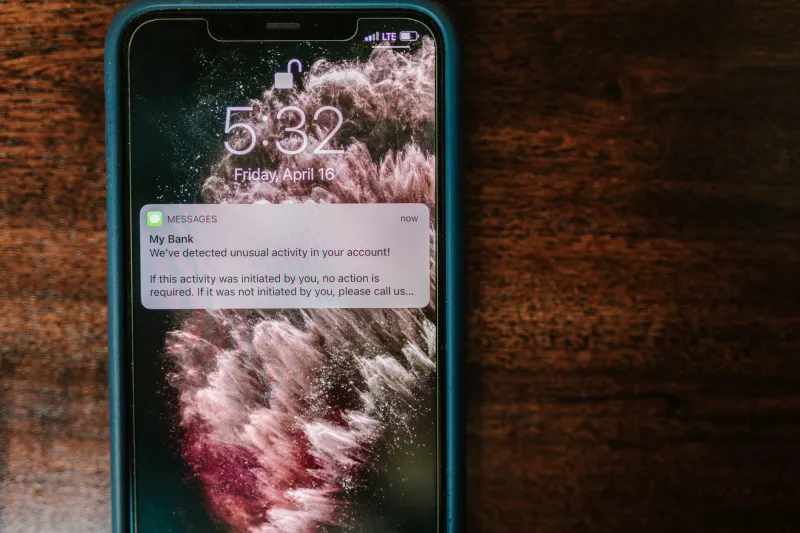
Phishing is not a chaotic crime of opportunity. It is a calendar-driven industry, one that tracks the same seasonal rhythms as American retail and tax season. Scammers know when tax refunds land, when packages multiply around the holidays, and when HR departments open enrollment portals. The result is a rotating catalog of lures, each engineered around a specific emotional trigger.
Cipher Sentinel reviewed the dominant bait patterns currently circulating across email, SMS, and social platforms in the United States. What follows is a taxonomy — not a tutorial. The goal is recognition, because the single most reliable defense against phishing remains a well-informed recipient.
Pattern One: The Package That Never Existed
The delivery scam is the workhorse of American phishing. A text claims a parcel is held at a distribution center, pending a small "address correction fee" or a updated delivery window. The psychological hook is mundane anticipation — most Americans genuinely expect packages, particularly between November and January.
Red flags are consistent: the message arrives from a ten-digit number rather than a short code, the carrier name is generic or absent, and the link leads to a domain that only loosely resembles the real logistics company. Legitimate carriers do not collect unexpected fees by text message link.
Pattern Two: The Payroll Portal Impersonator
A newer and more consequential variant targets workers directly. Emails styled as HR communications announce a change to direct deposit or invite employees to "verify payroll credentials" before a deadline. The urgency is manufactured; the branding is often lifted from real benefits platforms.
The danger here exceeds a stolen password. Payroll credentials frequently unlock W-2 data, banking details, and identity information in one stroke. Any unsolicited request to re-enter credentials through a linked portal should be treated as hostile until verified through a known internal channel — a phone call to HR, not a reply to the email.
Pattern Three: The Refund-and-Replacement Ruse
Fake order confirmations — "Your Apple account has been charged $899" — exploit a different emotion: alarm at an unauthorized charge. The scammer wants the victim to call the number in the email, where a fraudulent "support agent" will request remote access or a "reversal" payment.
The tell is simple. Real companies do not include cancellation phone numbers in charge notifications as the only recourse. Checking the account directly through the official app or website — never through the emailed link — resolves the question in under a minute.
Pattern Four: The Government Costume
IRS impersonation has persisted for nearly a decade because it works. The script has evolved: threats of arrest have given way to more plausible notices about unclaimed refunds, stimulus eligibility, or identity-verification requirements. State agencies, DMVs, and even toll authorities (E-ZPass scams surged across the Northeast) have been drafted into the same costume rack.
The foundational fact bears repeating: federal agencies initiate meaningful contact by postal mail, not by text, and they do not demand immediate payment through gift cards, wire transfers, or payment apps.
Pattern Five: The Calendar Invitation
Among the least-known lures are malicious calendar invites and meeting requests that plant alarmist event titles — "Salary Adjustment — Action Required" — directly into a victim's calendar. Because the entry appears natively on a phone or Outlook, it inherits an unearned trust. The embedded link is the payload.
Pattern Six: The Recruiter Who Is Too Eager
Employment phishing has industrialized alongside remote work. Fake recruiters dangle well-paid positions, then request personal data "for onboarding" — Social Security numbers, bank details, images of identity documents. The emotional hook is opportunity; the tell is a hiring process that moves entirely over text and asks for sensitive documents before any interview.
Pattern Seven: The Account Security Theater
The classic remains effective: a warning that an account has been compromised, with a link to "secure" it. Modern versions are polished, often scraping real branding and even the recipient's name from breached data. The countermeasure is muscle memory — navigate to the service independently, and enable multi-factor authentication so that a stolen password alone is not a catastrophe.
The Common Thread
Strip away the costumes and every lure in the catalog relies on the same architecture: a plausible context, a manufactured time pressure, and a single link or number that bypasses skepticism. None of them survive a pause. None of them survive independent verification through a channel the victim chose.
Phishing season never closes, but its success rate is negotiable. Recognition of these bait patterns — and a household norm of verifying before clicking — remains the most cost-effective security technology ever deployed.